
January 20 marked a historic moment as Donald Trump assumed the presidency of the United States. On the same day, Bitcoin shattered its all-time high, soaring past $109,000. Amidst the excitement, the crypto market was thrown into turmoil when Trump and Melania launched their official memecoins. Within hours, these tokens rocketed into the top rankings, sparking debates and raising red flags.
Is this a golden opportunity or a ticking time bomb for investors? In this article, we dissect Trump's memecoin phenomenon, its tokenomics, and the broader impact on the cryptocurrency ecosystem. Brace yourself for a rollercoaster of insights and analysis.
The Rise of Trump's and Melania's Memecoins
A Lightning-Fast Ascent
Trump announced his official memecoin on Twitter during the early hours of January 20. Initially dismissed as a potential hack, the token's legitimacy was confirmed, and its price skyrocketed from $0.50 to $4 within 12 hours. By Sunday, the memecoin hit $6, ranking 15th among all cryptocurrencies.
Meanwhile, Melania's memecoin launched at $0.70, doubling its value within hours to $1. Both coins captivated the market, but a closer examination reveals troubling signs.
Tokenomics: A Red Flag
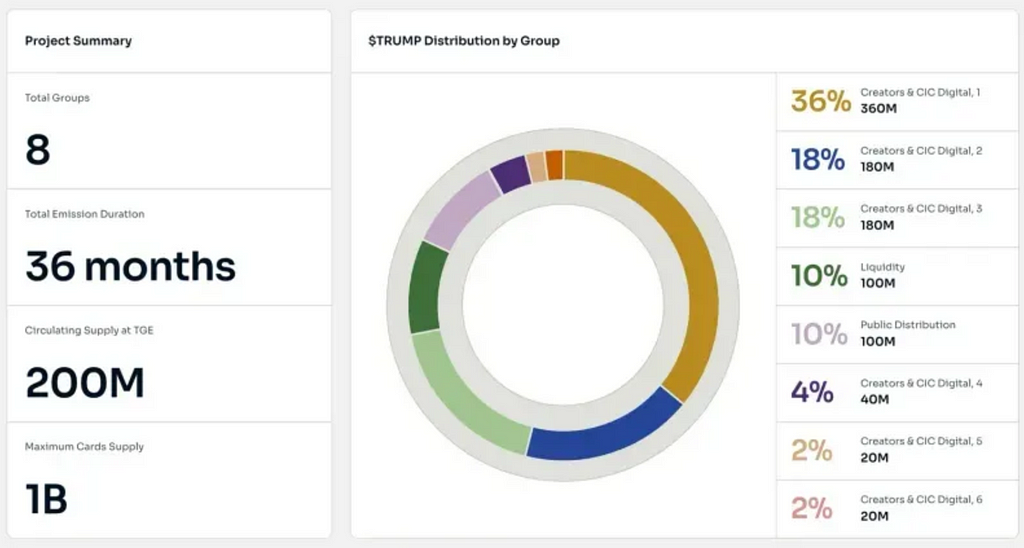
A quick visit to the official website of Trump's memecoin reveals a sleek design, but the most critical section — the tokenomics — is hidden behind small, nearly unreadable text. Upon closer inspection, it's clear why: 80% of the tokens are concentrated in a single wallet. Such centralization poses significant risks for long-term investors.
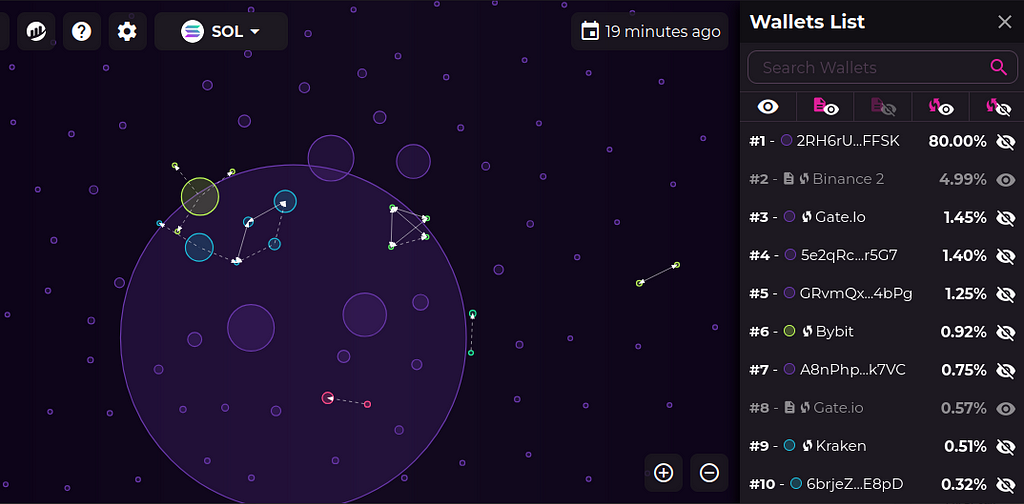
https://app.bubblemaps.io/sol/token/6p6xgHyF7AeE6TZkSmFsko444wqoP15icUSqi2jfGiPN
Should You Invest?
The Short-Term Gamble
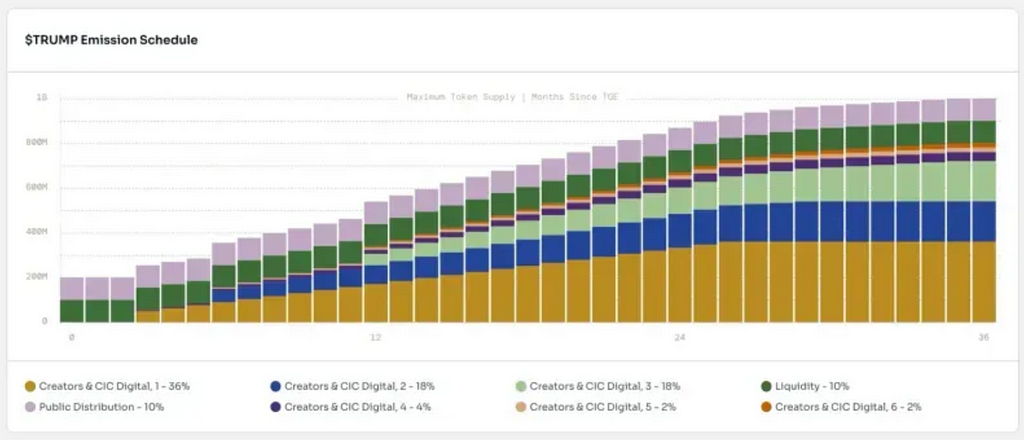
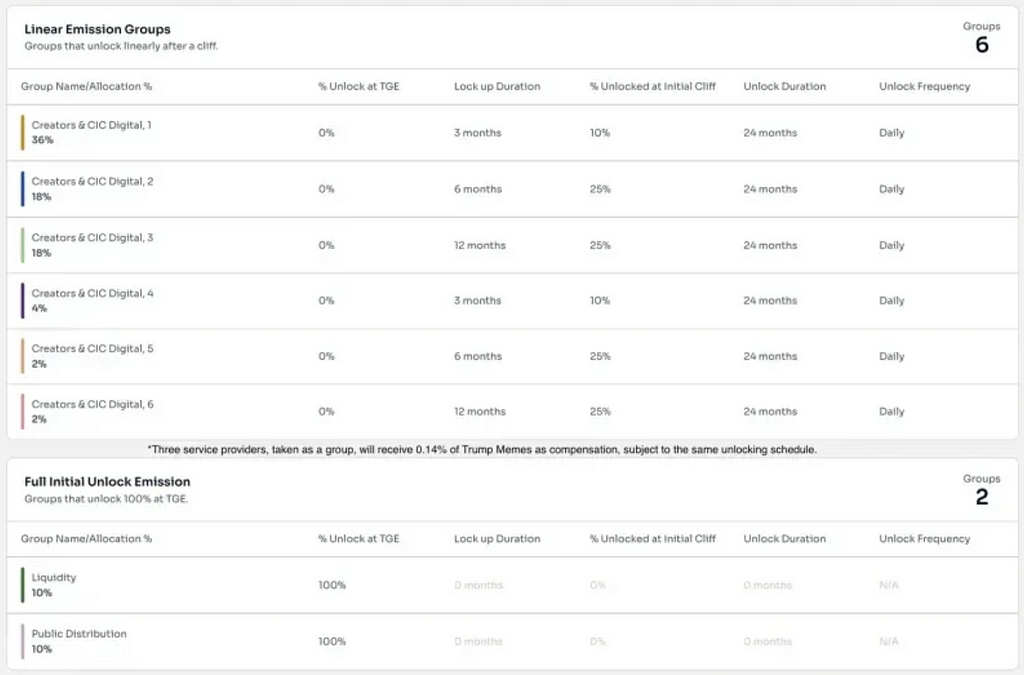
Investors saw massive short-term gains, but the underlying risks are glaring. The aggressive unlocking schedule means liquidity will be drained as tokens flood the market. Historically, such setups have led to price collapses.
Long-Term Implications
Holding Trump's memecoin is akin to funding Trump's initiatives without any guarantees of returns. Unlike traditional projects, there is no reinvestment into the ecosystem. This is a one-way street for profits, flowing directly to the token creators.
Impact on Solana, Ethereum, and DeFi
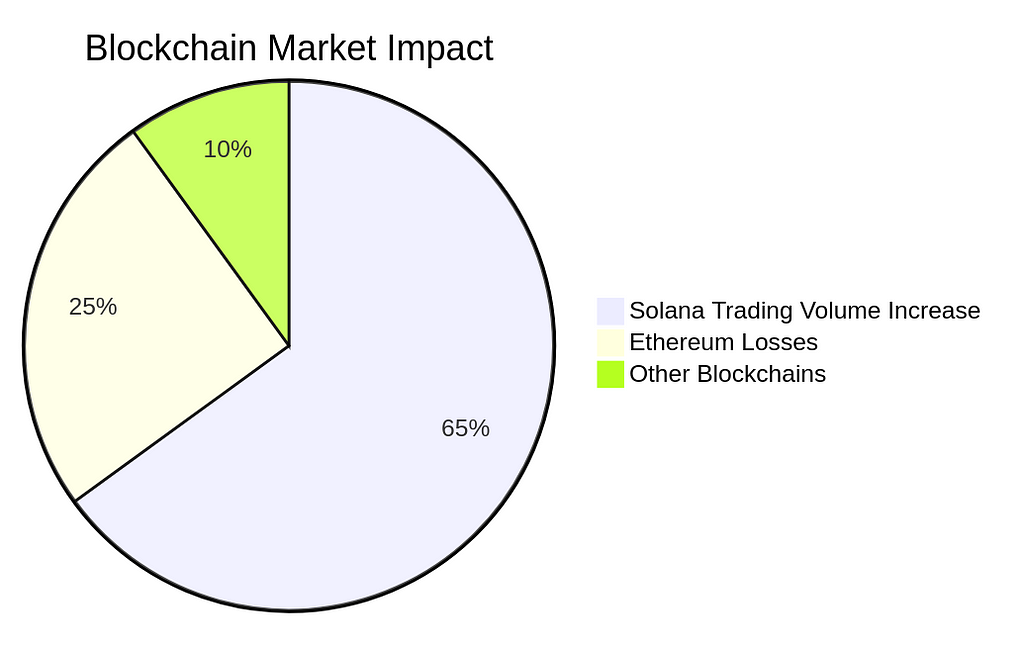
The choice to launch on Solana brought unparalleled attention to the blockchain, with trading volume hitting a record $27 billion in 24 hours. While this solidifies Solana's position as a leader, Ethereum has faced significant challenges, losing 950% of its value relative to Solana since mid-2023. However, Ethereum's resilience and strong fundamentals suggest it could stage a comeback.
Opportunities in Farming and Passive Income
Despite the chaos, opportunities abound for savvy investors:
- High-Yield Farming: Pools on Solana are offering up to 850% annual returns, even on stable pairs like Bitcoin and Solana.
- Volatility Exploitation: Using wide price ranges (30–40%) in liquidity farming can yield significant profits.
- Staking Benefits: Bitcoin and Ethereum pools continue to deliver steady returns, offering a safer alternative.
The Bigger Picture: Pros and Cons
Negatives
- Market Reputation: Memecoins undermine the credibility of crypto as a serious financial market.
- Liquidity Drain: Funds diverted to memecoins are unlikely to return to other projects.
- Centralization Risks: Overconcentration of tokens raises the likelihood of market manipulation.
Positives
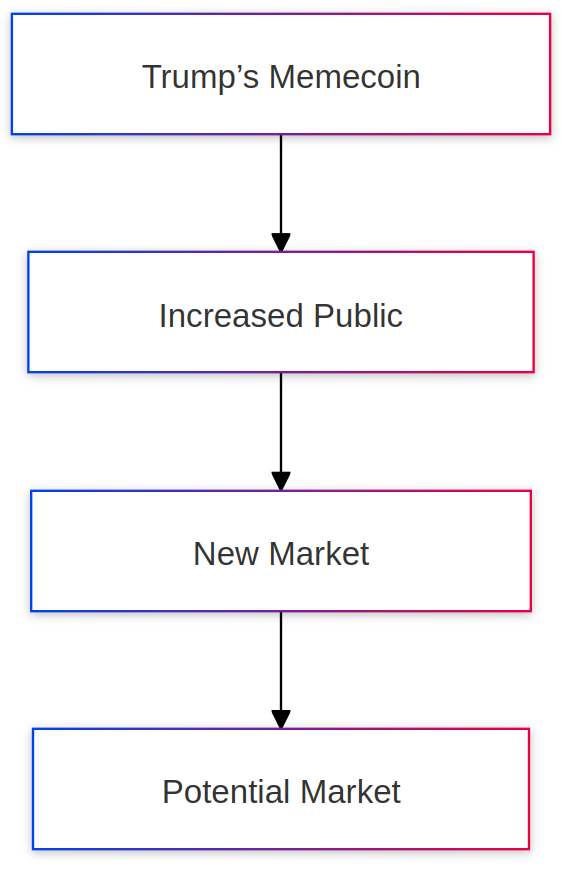
- Publicity: Trump's massive following introduces millions to crypto.
- Potential Policy Shifts: Trump's pro-crypto stance could lead to favorable regulations.
Final Thoughts: To Invest or Not?
Trump's memecoins are a classic case of high risk and high reward. While the short-term gains are undeniable, the long-term outlook is fraught with danger. Investors should approach with caution, armed with thorough research and a clear exit strategy.
What are your thoughts on Trump's memecoin empire? Share your opinions in the comments and let's navigate this crypto jungle together. If this analysis helped you, don't forget to give it a clap and follow for more in-depth crypto insights.
source: https://raglup.medium.com/will-trumps-memecoin-empire-crash-the-crypto-market-a-deep-dive-into-the-chaos-9ef69252fb8f?source=rss-f56f44caad34------2
Commentaires
Enregistrer un commentaire